

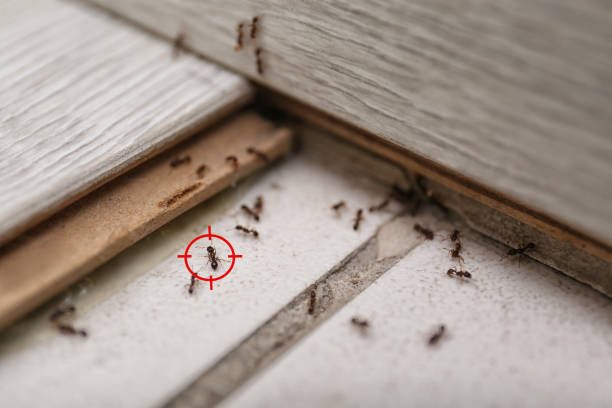
Fumigation is a highly effective method for eliminating pests from residential, commercial, or industrial spaces. Professional pest control companies provide specialized fumigation services tailored to target specific pests and ensure long-term relief. Below are the top five fumigation services offered by experts in the industry.
1. Structural Fumigation
Structural fumigation is designed to eradicate pests that have infested entire buildings, including termites, wood-boring insects, and bed bugs. During this process:
– The structure is sealed with tarps or tents to contain the gas used for fumigation.
– A specialized gas or chemical treatment penetrates walls, cracks, and crevices where pests hide.
– The treatment ensures that even hard-to-reach areas are exposed to the pesticide, eliminating all life stages of pests.
This method is commonly used for homes with severe infestations or large commercial buildings where localized treatments may not be sufficient.
2. Container Fumigation
Container fumigation is essential for businesses involved in shipping goods or importing/exporting products. This service helps prevent contamination by pests such as:
– Beetles
– Moths
– Weevils
Here’s how it works:
| Step | Description |
|——————|—————————————–|
| Inspection | Containers are inspected for visible pests or eggs.|
| Sealing | Containers are securely sealed to prevent leakage during treatment.|
| Treatment | Fumigants are introduced into the container and left for a specific period.|
Container fumigation ensures compliance with international pest control regulations and protects goods from damage.
3. Commodity Fumigation
For industries dealing with bulk storage of grains, spices, or raw materials, commodity fumigation prevents pest contamination before products reach consumers. Professionals use targeted techniques like:
– Introducing treated gases into silos or warehouses without disrupting operations. – Ensuring thorough penetration of all stored items to eliminate insects like beetles and moths.
This service is crucial for food safety compliance in agricultural sectors.
4. Vehicle Fumigation Services
Many pest infestations spread through vehicles such as trucks, trailers, ships, and even airplanes carrying goods over long distances. Vehicle fumigation includes:
– Treating cargo holds thoroughly against invasive species. – Preventing cross-contamination between shipments. Professional pest control technicians ensure that vehicles remain pest-free while adhering to safety protocols.
5. Residential Fumigation Services
Homeowners often require residential fumigation for persistent infestations of cockroaches, fleas, bed bugs, or termites that standard treatments cannot resolve effectively. Key benefits include:
– Full eradication of hidden nests within walls and flooring. – Prevention of health risks associated with allergens released by pests like cockroaches.
Certified technicians carefully guide homeowners through preparation steps—like removing pets and covering food—and ensure safe re-entry post-treatment.
Why Choose Professional Fumigation Services?
Opting for professional pest control companies guarantees:
1. Expertise in handling regulated chemicals safely. 2. Tailored solutions based on the severity of infestation. 3. Prevention methods that reduce the likelihood of repeat invasions.
These expert services combine advanced tools with years of experience to provide effective long-term results while prioritizing safety standards at every step.
Thorough Inspection Before Treatment
Before initiating the fumigation process, professionals conduct a detailed inspection of the property. This step helps in:
– Identifying the type of pest infestation (e.g., termites, cockroaches, bed bugs).
– Locating entry points and harborage areas.
– Assessing the level of infestation to determine the appropriate fumigant and concentration.
By addressing these factors, professionals can tailor their fumigation strategy to maximize its effectiveness while minimizing risks.
Benefits of Professional Fumigation
- Comprehensive Coverage: Fumigants penetrate deep into cracks, crevices, walls, and furniture where pests hide and breed.
- Kills Pests at All Stages: From eggs to adult pests, fumigation disrupts all stages of the life cycle.
- Prevents Reinfestation: Residual effects of certain fumigants can deter new pests from infesting treated areas.
- Custom Solutions: Experts tailor their approach based on factors like property size, pest species, and infestation severity.
Post-Fumigation Prevention Strategies
- Store food in sealed containers.
- Clean up crumbs and spills promptly.
- Repair leaks to reduce access to water sources.
- Seal cracks around doors and windows.
- Install mesh screens on vents and drains.
- Use weather stripping to close gaps under doors.
- Schedule periodic inspections with professionals.
- Use traps or baits as a secondary defense mechanism.
- Educate occupants about signs of reinfestation.
A Quick Comparison Table: DIY Methods vs. Professional Fumigation
| Aspect | DIY Methods | Professional Fumigation Services |
| Effectiveness | Limited against severe infestations | Targets all hidden areas comprehensively |
| Expertise Required | Basic knowledge | Trained technicians with specialized skills |
| Long-Term Prevention | Minimal | High due to residual effects & follow-ups |
| Safety | Risk of misuse | Strict adherence to safety protocols |
Why Professional Help Matters
While DIY methods may seem cost-effective initially, they often fail to address the root cause of infestations or prevent their recurrence effectively. Professionals utilize industry-grade products combined with their expertise in pest behavior for durable results.
By opting for professional fumigation services, you not only eliminate existing infestations but also invest in safeguarding your home or business against future outbreaks—ensuring peace of mind over time.
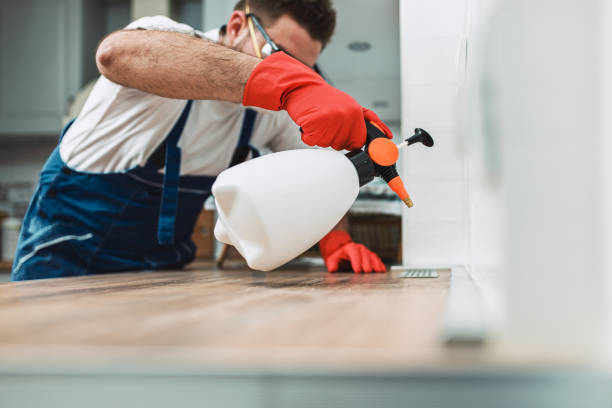
Tick and Flea Control Solutions to Safeguard Your Pets and Family
Ticks and fleas are not only a source of discomfort for your pets but can also pose serious health risks to both animals and humans. These pests can transmit diseases such as Lyme disease, Rocky Mountain spotted fever, and tapeworm infections. Professional pest control services offer effective tick and flea control solutions that provide long-term protection for your home, pets, and loved ones. Below is a detailed look at the strategies used in tackling tick and flea infestations.
Why Are Ticks and Fleas a Concern?
Ticks and fleas thrive in warm, humid environments, making homes with pets particularly susceptible to infestations. These pests:
– Cause itching, irritation, and potential allergic reactions in pets.
– Transmit diseases such as anaplasmosis or cat scratch fever to humans.
– Multiply rapidly if left unchecked.
Proactively addressing these issues is crucial to ensure the well-being of your family members—both human and animal.
Key Strategies for Tick and Flea Control
- Identify high-risk areas like pet bedding, furniture upholstery, carpets, or outdoor spaces such as lawns or gardens where ticks frequently hide.
- Assess the severity of infestation for targeted treatment plans.
- Application of safe insecticides specifically formulated for indoor use or pet-safe sprays for outdoor zones prone to tick habitation.
- Use of spot-on treatments directly on affected pets under veterinarian guidance.
- Combines preventive measures with environmentally friendly techniques such as diatomaceous earth application around vulnerable areas.
- Includes ongoing home sanitation practices like regular vacuuming or steam-cleaning carpets/rugs/pet bedding whenever required.
- Barrier Treatments: Creating long-term protective barriers around entryways prevents new infestations—additionally repelling rodents carrying parasites indoors long term
Preventative Measures
Orlando Pest Control Tips for Eliminating Ant Infestations for Good
Ant infestations can be a persistent and frustrating issue for homeowners and businesses alike. These tiny pests are not only unsightly but can also contaminate food and compromise the cleanliness of your environment. Here, we outline effective ant control methods that help eliminate infestations for good while preventing their recurrence.
Identify the Type of Ants
Effective ant control begins with identifying the species of ants invading your property. Different species have unique habits, nesting preferences, and food sources. For example:
– Argentine Ants: Often found indoors near water sources.
– Carpenter Ants: Known to damage wooden structures by tunneling through them.
– Fire Ants: Aggressive ants that build large mounds outdoors and deliver painful stings.
Correct identification is crucial because each species may require a tailored approach to eradicate it.
Preventive Measures
Taking preventive actions can deter ants from entering your property in the first place. These measures include:
– Eliminating Food Sources: Store all food in sealed containers, wipe down surfaces after meals, and clean up crumbs immediately.
– Sealing Entry Points: Inspect windows, doors, pipes, and cracks in walls to identify potential entry points. Use silicone caulk or weather stripping to seal gaps effectively.
– Maintaining Cleanliness: Regularly vacuum floors and empty trash cans to discourage ants from finding food or shelter indoors.
Effective Treatment Options
- Use ant baits containing slow-acting insecticides.
- Worker ants carry the bait back to their nest, distributing it among their colony.
- This method is especially effective against large colonies.
- Apply residual sprays around baseboards, windowsills, door frames, and other entry points.
- Choose non-repellent sprays so ants don’t avoid treated areas.
- Use dust formulations in voids such as wall cracks or crevices where ants hide.
- Be cautious when applying dust indoors to ensure safety for children and pets.
- Sprinkle diatomaceous earth near ant trails—this disrupts their exoskeleton.
- Use a vinegar-water solution along entry points since its strong odor repels ants.
| Treatment Option | Best For | Considerations |
| Baiting Systems | Large infestations | Requires patience for full colony kill |
| Insecticide Sprays | Immediate relief in key areas | Avoid over-applying around food items |
| Dust Insecticides | Hard-to-reach nesting sites | Ensure application is out of sight |
| Natural Remedies | Small-scale issues | May not work on larger infestations |
Long-term Control Strategies
To prevent future infestations after treatment:
1. Establish a regular inspection schedule to spot new signs of activity early on. 2. Trim vegetation near your home’s perimeter as plants may serve as bridges for outdoor ants. 3. Work with professional pest control services for advanced solutions like perimeter treatments or seasonal maintenance plans.
By combining preventive measures with targeted treatments and long-term strategies, you can ensure that your property remains free of these persistent pests over time.
Effective Ant Control Methods to Eliminate Infestations for Good
Ant infestations can be challenging for homeowners and businesses, as these pests often infiltrate properties in large numbers, contaminating food and causing structural damage. Fortunately, professional pest control companies employ effective ant control methods to eliminate infestations and prevent their recurrence. Below is a comprehensive guide on the best strategies for managing ant problems.
Effective Pest Removal Orlando FL: Identifying the Type of Ants
- Carpenter Ants: Known for damaging wooden structures by burrowing into them to create nests.
- Odorous House Ants: Frequently found in kitchens due to their attraction to sugary foods.
- Pavement Ants: Often nesting under sidewalks, driveways, or inside walls.
- Fire Ants: Known for their painful stings and aggressive behavior.
Proper identification is crucial for implementing targeted treatments.
Effective Inspection and Entry Point Detection by Exterminator Orlando FL
- Cracks in walls or floors
- Windowsills and door frames
- Foundations and crawl spaces
- Areas near food storage or preparation zones
Once entry points are identified, sealing these gaps helps prevent future infestations.
Effective Pest Control Service Orlando FL for Ant Treatment
Baits
Ant baits are one of the most effective long-term solutions. These products attract worker ants that carry poisoned bait back to their colony, effectively eliminating it at its source. Key advantages include: – Minimal disruption to your home environment. – Targeted elimination of entire colonies.
Liquid Sprays
Liquid insecticides are used to create barriers around entry points and high-traffic areas such as baseboards, window frames, and foundations. These sprays kill ants on contact while deterring new ones from entering the property.
Dust Insecticides
Dust treatments are often applied in hard-to-reach areas such as wall voids or behind appliances where ant colonies may be hiding. This method ensures that even hidden nests are treated effectively.
| Treatment Type | Key Uses | Advantages |
| Baits | Colony elimination | Targets entire nest |
| Liquid Sprays | Entry point protection | Immediate impact |
| Dust Insecticides | Hard-to-reach areas | Long-lasting residual effects |
Preventive Measures to Avoid Reinfestation
- Maintain Cleanliness: Regularly clean surfaces where food is prepared or consumed.
- Proper Food Storage: Store all food items in sealed containers.
- Eliminate Moisture Sources: Repair leaking taps or pipes that could attract ants seeking water.
- Seal Gaps and Cracks: Inspect your property regularly for potential entry points and seal them with caulk or weatherstripping.
- Regular Inspections: Schedule periodic inspections by pest control professionals to detect early signs of an infestation.
By combining professional ant treatment techniques with diligent preventive practices, homeowners can maintain an ant-free environment over time without recurring infestations.
Cockroach Control Techniques for Maintaining a Clean and Healthy Living Environment
Cockroaches are one of the most common household pests, known for their resilience and ability to thrive in various environments. They pose significant health risks as they can spread bacteria, contaminate food, and trigger allergies or asthma. Implementing effective cockroach control techniques is essential for maintaining a clean and healthy living environment. Below are professional strategies and actionable steps to address this issue.
Identifying Cockroach Infestations
- Droppings: Small black droppings resembling coffee grounds or pepper in areas where cockroaches hide.
- Egg Cases: Brown, oval-shaped egg cases (oothecae) in cracks or tight spaces.
- Unpleasant Odor: A musty smell that intensifies with larger infestations.
- Shed Skins: Cockroaches shed their exoskeletons as they grow, leaving behind evidence of their activity.
Preventative Measures
- Caulk cracks and crevices around windows, doors, and baseboards.
- Install weatherstripping on doors and windows to minimize gaps.
- Store food in airtight containers.
- Clean up crumbs and spills promptly.
- Avoid leaving pet food out overnight.
- Regularly clean kitchen appliances (e.g., ovens, microwaves) where grease may accumulate.
- Empty trash cans frequently and ensure they have tight-fitting lids.
- Vacuum areas under furniture to remove debris.
- Fix leaky pipes or faucets promptly.
- Use dehumidifiers in damp areas like basements.
- Ensure proper ventilation in bathrooms and kitchens.
Professional Control Techniques
- Gel Bait Application
Professionals apply gel bait containing slow-acting insecticides in areas of high cockroach activity (e.g., behind appliances or inside cabinets). This approach targets entire colonies over time as roaches share the bait with others. - Insect Growth Regulators (IGRs)
IGRs interfere with cockroaches’ ability to reproduce by preventing eggs from hatching or larvae from developing into adults. - Residual Sprays
Long-lasting sprays are applied along baseboards, cracks, and entry points to create a barrier against incoming roaches while targeting existing populations. - Fumigation Services for Severe Infestations
In extreme cases where infestations are extensive, whole-home fumigation may be required to eradicate all stages of cockroach life cycles effectively.
| Common Cockroach Species | Identifiable Features | Preferred Habitat |
| German Cockroach | Light brown with two dark stripes | Kitchens & bathrooms |
| American Cockroach | Reddish-brown; larger size | Dark basements & sewer systems |
| Oriental Cockroach | Shiny black or dark brown | Damp areas like drains & crawl spaces |
Long-Term Monitoring
- Install sticky traps near potential hiding spots for early detection of new activity.
- Schedule routine inspections with pest control professionals if your property is prone to infestations.
- Continue practicing stringent sanitation measures year-round.
By incorporating these techniques into your pest management plan, you can effectively resolve cockroach problems while maintaining a healthier home environment free from contamination risks posed by these pests.
Termite Control and Prevention Tips to Protect Your Property from Damage
Termites are one of the most destructive pests for homeowners and businesses, causing billions of dollars in property damage every year. Addressing a termite infestation promptly and implementing preventative measures can save you from costly repairs and structural issues. Below are some tips for controlling termites and safeguarding your property.
Common Signs of Termite Infestation
- Mud Tubes: These pencil-sized tunnels on walls or foundations are often used by subterranean termites for travel.
- Hollow-Sounding Wood: Tapping on wooden structures that sound hollow could indicate termite damage inside.
- Discarded Wings: Swarmers (winged termites) shed their wings when they find a place to establish a colony, leaving piles of small, translucent wings behind.
- Frass (Termite Droppings): Drywood termites leave behind tiny wood-colored pellets near infested areas.
Effective Termite Control Methods
- A licensed pest control company can perform an in-depth inspection to locate the infestation source and severity.
- Treatments like liquid termiticides, bait stations, or fumigation may be recommended depending on the type of termite infestation.
- Bait traps strategically placed around your property attract termites with toxic bait that eliminates entire colonies over time.
- These systems are less invasive compared to other methods but require consistent monitoring.
- Liquid termiticides can be applied around a building’s foundation to create a chemical barrier, deterring subterranean termites from entering.
- Borate-based treatments can be applied directly onto wood during construction or remodeling to protect against drywood termites.
- For extensive drywood termite infestations, whole-house fumigation may be necessary to eradicate the problem at every level.
| Method | Best For | Professional Help Required? |
| Baiting Systems | Subterranean Termites | Yes |
| Soil Barrier Treatments | Subterranean Termites | Yes |
| Wood Treatment Solutions | Preventative Maintenance | Optional |
| Fumigation | Severe Drywood Infestations | Yes |
Prevention Tips
- Reduce Moisture Levels: Ensure proper drainage around your home’s foundation and fix leaks promptly since termites thrive in moist environments.
- Inspect Wooden Structures Regularly: Check decks, fences, and furniture for signs of damage or infestation annually.
- Store Firewood Away From Home: Keep firewood at least 20 feet away from your house as it’s an attractive food source for termites.
- Seal Cracks in Foundations: Close any gaps or crevices where termites could gain entry into your home.
- Maintain Landscaping Thoughtfully: Avoid planting shrubs or trees too close to your property since their roots can act as highways for subterranean colonies.
By staying vigilant about these warning signs and following both preventive strategies and control methods, you can protect your property from costly termite damages effectively while promoting long-term peace of mind.
- Orlando Pest Control: Comprehensive Extermination and Treatment Services Explained
- Effective Solutions for Common Pests from a Trusted Pest Control Company Orlando FL
- Effective Orlando Pest Control: A Practical Guide to Identifying and Eliminating Common Household Pests
- 5 Expert Pest Fumigation Services Offered by Professional Pest Control Companies
- Effective Orlando Pest Control: How to Identify, Prevent, and Treat Common Pests
- Effective Orlando Pest Control Solutions and Termite Protection for Your Home
- Effective Orlando Pest Control: 10 Common Household Pests and How to Keep Them Out
- Effective Strategies from a Pest Control Company in Orlando FL to Tackle 10 Common Household Pests
- Top Pest Control Company Orlando FL Shares Tips to Identify and Manage the 10 Most Common Household Pests