

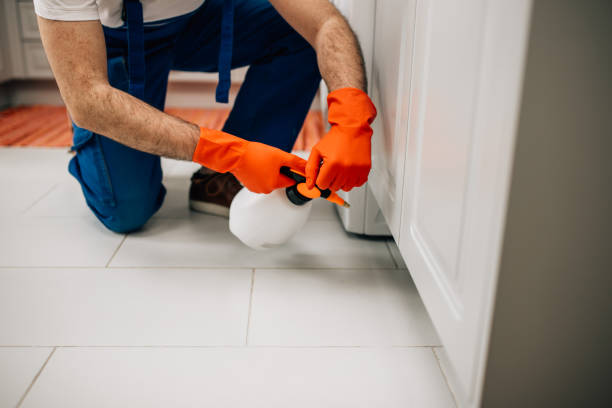
Identifying common household pests and taking steps to eliminate them is the first step toward effective pest control.
Common Household Pests and Their Signs
| Pest | Common Signs | Risks |
| Ants | Trails on countertops, near food storage areas | Contamination of food |
| Cockroaches | Droppings (small black specks), unpleasant odor | Allergies, disease spread |
| Rodents (mice/rats) | Gnaw marks on furniture, droppings in corners | Property damage, diseases |
| Termites | Mud tubes on walls or foundations, hollow-sounding wood | Structural damage |
| Spiders | Webs in corners or ceilings | Fear or discomfort |
Steps to Identify Pests
- Inspect Key Areas Regularly: Check kitchens, basements, attics, and bathrooms for signs of activity.
- Look for Droppings or Damage: Evidence such as chewed wires or droppings can indicate specific pests.
- Pay Attention to Odors: Strong odors may signal the presence of cockroaches or rodents.
- Monitor Activity at Night: Many pests are nocturnal; observe your home during evening hours if possible.
Methods to Eliminate Household Pests
- Use bait traps placed along entry points and ant trails.
- Seal cracks and openings around windows or doors to prevent entry.
- Keep food sealed in airtight containers.
- Clean regularly to remove crumbs and grease from counters.
- Use gel baits or sticky traps in affected areas.
- Fix any leaks to minimize access to water sources.
- Set up snap traps or humane catch-and-release traps along walls where activity is noted.
- Block entry points with steel wool or caulk.
- Store pet food securely to avoid attracting mice or rats.
- Apply termiticide treatments around your home’s foundation.
- Remove wood debris close to your house that can act as termite habitats.
- Consider installing termite monitoring systems with professional assistance.
- Vacuum webs regularly from ceilings and corners.
- Reduce clutter in storage spaces where spiders might hide.
- Apply insecticide sprays directly onto visible spiders when appropriate.
Practical Tips for Homeowners
- Maintain cleanliness by routinely vacuuming floors and wiping down surfaces.
- Store all perishables securely to avoid attracting pests.
- Address moisture issues such as leaky pipes since water sources often draw insects like cockroaches.
- Trim plants around your house’s exterior because overgrown vegetation can provide easy access for critters like ants or spiders.
By taking proactive steps toward identifying common household pests early on and employing practical elimination tactics tailored toward each species’ behavior patterns, homeowners can effectively reduce infestations without significant disruption.
Comprehensive Guide to Choosing the Best Pest Control Company Orlando FL for Managing Household Pests
Managing household pests can feel overwhelming, but with the right strategies, you can maintain a pest-free environment. In this guide, we’ll explore a range of effective methods to control common pests such as ants, rodents, cockroaches, and more. By combining preventative measures with targeted treatments, homeowners can protect their homes from infestations.
Common Household Pests and Their Challenges
Understanding the pests you’re dealing with is the first step in controlling them effectively.
| Pest | Common Issues Caused | Potential Risks |
| Ants | Food contamination | Can spread bacteria |
| Rodents | Chewing on wires/furniture; spreading diseases | Fire hazards; contamination |
| Cockroaches | Thrive in dark spaces; contaminating surfaces | Can trigger allergies/asthma |
| Termites | Damage to wooden structures | Weakening of foundations |
| Bed Bugs | Cause itchy bites | Disruption in sleep/sanitation concerns |
Key Methods for Effective Pest Control
A successful pest management strategy often combines prevention, detection, and eradication.
- Regularly sweep floors and vacuum carpets to remove crumbs or food debris that attract pests.
- Wash dishes promptly after meals to avoid leaving food residue overnight.
- Store all pantry items in sealed containers made of glass or heavy-duty plastic.
- Inspect your home for cracks or gaps around windows, doors, pipes, or utility lines where pests might enter.
- Use caulk or weatherstripping to seal small openings and install door sweeps where necessary.
- Repair any damaged screens on windows or vents.
- Empty containers such as buckets or old tires that collect rainwater outdoors.
- Regularly clean gutters and ensure proper drainage around your home’s foundation to prevent water buildup.
- Fix plumbing leaks promptly as moisture attracts cockroaches, ants, and other insects.
- Ant baits placed along trails are effective for colony elimination over time.
- Snap traps are useful for catching rodents like mice or rats without using chemicals.
- Sticky traps are ideal for monitoring crawling insects such as spiders or silverfish.
- Apply Targeted Treatments
Consider using pesticides designed specifically for the pest type (e. g. , ant sprays versus rodent repellents).- Use residual sprays around baseboards where cockroaches commonly hide.
- Sprinkle diatomaceous earth along entryways as a natural insect deterrent.
- Apply insect growth regulators (IGRs) to disrupt breeding cycles of fleas/flies.
Natural Alternatives for Pest Control
- Vinegar Solutions:Mix equal parts water and white vinegar as a spray to deter ants from entering your kitchen counters.
- Herbs & Essential Oils:Use peppermint oil against spiders or citronella-based candles outdoors to repel mosquitoes.
- Diatomaceous Earth:A silica-based powder that dehydrates insects when they crawl over it—safe for both pets & humans when used correctly.
Monitoring & Follow-Up
Pest control is not always “one-and-done.
- Keep an eye out for recurring activity even after initial treatment has been performed.
- Schedule seasonal inspections (especially during spring/summer months) when pest activity tends to peak.
- If DIY methods fail despite efforts taken consistently over weeks/months—it may be time to consult professional exterminators skilled in handling complex infestations efficiently without causing unnecessary damage at costs. .
By practicing these methods combined long-term diligence proactive prevention works far better overall than reactive fixes emergencies
Comprehensive Guide to Pest Removal Orlando FL: Effective Methods for Managing Household Pests
Pests can pose significant challenges in maintaining a healthy and comfortable home. By employing effective pest control methods, homeowners can not only tackle existing infestations but also prevent future ones. This guide outlines comprehensive approaches to managing common household pests such as ants, cockroaches, rodents, and termites through a combination of practical strategies and scientific interventions.
Identifying Common Household Pests
The first step in effective pest control is identifying the type of pests causing problems.
- Ants: Look for trails leading to food sources or nests near windows, doors, or kitchens.
- Cockroaches: Spot droppings resembling coffee grounds, shed skins, or unpleasant odors in dark, damp spaces.
- Rodents (mice/rats): Signs include gnawed furniture or wiring, droppings in cabinets or corners, and scratching noises at night.
- Termites: Presence of mud tubes on walls or foundation areas and hollow-sounding wood can indicate termite infestation.
Proper identification helps ensure that tailored pest control measures are applied effectively.
Non-Chemical Pest Control Options
For those who prefer environmentally friendly or non-toxic solutions, non-chemical methods can be highly effective when properly implemented.
- Keep food sealed in airtight containers.
- Clean up crumbs and spills promptly.
- Dispose of garbage regularly using tight-fitting lids.
- Seal cracks, gaps around doors/windows with caulk.
- Install weather stripping to reduce entry points for pests.
- Use mesh screens on vents to block insects like mosquitoes and flies.
- Use glue traps for common insects such as cockroaches.
- Employ humane traps for rodents when opting for no-kill solutions.
- Introduce plants like lavender, mint, or lemongrass known for repelling specific insects.
- Use diatomaceous earth around entry points as a chemical-free solution for ants and cockroaches.
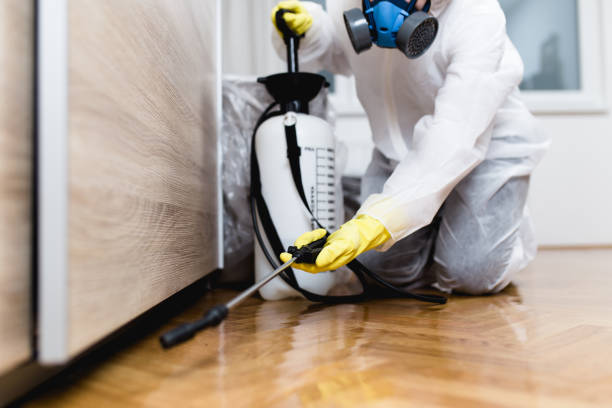
Chemical-Based Pest Control Methods
| Type | Examples | Purpose |
| Insecticides | Aerosols/baits | Target specific pests like ants/cockroaches |
| Rodenticides | Blocks/pellets | Eliminate rats/mice; use cautiously |
| Termiticides | Liquid/barrier sprays | Protect wooden structures from termites |
Note: Always follow label instructions closely when applying pesticides to avoid harm to people, pets, and the environment.
Integrated Pest Management (IPM) Approach
- Conduct regular inspections to monitor pest activity levels.
- Focus on habitat modification by removing conditions favorable for pest breeding.
- Employ targeted pesticides only when necessary rather than using widespread applications indiscriminately.
By balancing prevention techniques with responsible treatment practices under the IPM framework, homeowners can reduce risks effectively without overusing toxic substances.
Understanding these methods provides a foundation for addressing current infestations while securing your home from future invasions efficiently over time. Consistency is key when implementing these strategies into routine maintenance practices within your household environment.
Effective Tips from an Exterminator Orlando FL for Prevention and Long-Term Pest Protection
Preventing pests from invading your home is far more cost-effective and manageable than dealing with a full-blown infestation. A proactive approach not only helps to avoid the stress and inconvenience of pest problems but also ensures your living environment remains safe and healthy. Here are the best strategies for pest prevention and maintaining long-term protection.
A tidy home offers fewer hiding places and food sources for pests.
– Vacuum Frequently: Remove crumbs, debris, and dust that may attract insects or rodents. Pay attention to corners, underneath furniture, and carpets.
– Wipe Surfaces Daily: Clean kitchen counters, dining tables, and other food-preparation areas to eliminate spills or food residue.
– Dispose of Trash Properly: Empty trash bins regularly and ensure they are sealed with tight-fitting lids.
Preventing pests from entering your home is one of the most effective long-term solutions:
– Inspect doors, windows, walls, and floors for cracks or gaps; seal these with caulk or weatherstripping.
– Install door sweeps under exterior doors to block gaps that small creatures like mice may exploit.
– Repair damaged window screens to deter flying insects such as mosquitoes or flies.
Pests rely on easily accessible food and water sources for survival:
– Fix leaks in pipes or faucets that could serve as water sources for pests like cockroaches or ants.
– Store all food in sealed containers made of glass or durable plastic materials that pests cannot chew through.
– Avoid leaving pet food out overnight; store it in secure containers when not in use.
| Common Food Attractants | Suggested Preventative Measures |
| Crumbs on floors/counters | Sweep floors daily; clean countertops |
| Exposed leftovers | Use airtight containers |
| Standing water | Repair leaks; empty plant saucers |
Routine inspections can help you identify early signs of pest activity before it becomes problematic:
– Look for nests, droppings, chewed materials (e. g. , cardboard), or unusual odors around your home’s interior and exterior areas. – Check dark spaces like basements, crawlspaces, attics, and garages where pests often hide undetected. – Monitor outdoor landscaping by trimming bushes/trees near structures to prevent pest access.
Your outdoor space can play a significant role in attracting—or deterring—pests:
– Keep firewood at least 20 feet away from your house; stack it off the ground to avoid harboring termites or ants. – Avoid overwatering plants as excess moisture creates breeding grounds for mosquitoes. – Remove yard debris (fallen leaves, branches) regularly to reduce nesting opportunities.
Eco-friendly methods can further bolster prevention efforts without resorting to chemicals:
– Use herbs like mint, basil, lavender, or citronella around windowsills or doorways; their scents naturally repel many insects. – Introduce beneficial organisms such as ladybugs into gardens—these predators feed on common pests like aphids.
Natural deterrents are particularly useful in areas where children or pets frequent since they minimize exposure risks associated with chemical treatments.
By adopting these preventative measures consistently over time, homeowners can significantly reduce their chances of facing recurring infestations while protecting both their property value and overall health standards effectively long term.
Achieving Effective Results with a Pest Control Service Orlando FL
When dealing with persistent pest issues, professional assistance often becomes a critical part of the solution. While DIY methods can be effective for minor infestations, larger or recurring problems require expertise and advanced tools that only professional pest control services can provide. Understanding the value offered by trained exterminators can help homeowners make informed decisions when it comes to managing pest problems.
Benefits of Professional Pest Control Services
- Expert Knowledge and Experience
Trained professionals have extensive knowledge about various pests, their behaviors, and effective treatments. They can identify the root cause of an infestation and implement strategies tailored to specific situations. - Access to Advanced Tools and Treatments
Many pest control companies use specialized equipment and products that are more effective than over-the-counter solutions. These tools are often designed to target pests while minimizing harm to your household or the environment. - Long-Term Prevention
Professionals focus on not just eliminating current infestations but also preventing future ones. They may seal entry points, advise on proper sanitation measures, or recommend ongoing maintenance plans. - Time-Saving Solutions
Resolving pest issues without professional help can take considerable time with no guarantee of success. Hiring an experienced team ensures a quicker resolution while allowing homeowners to focus on other priorities.
When Should You Call a Professional?
Certain scenarios make it clear that calling in a professional is the best course of action.
- Severe Infestations: If pests have spread extensively throughout your home, DIY methods may not suffice.
- Health Risks: Pests like rodents and cockroaches can carry harmful bacteria or allergens that jeopardize the health of your household.
- Structural Damage: Termites, carpenter ants, or other wood-destroying insects may compromise the structure of your home if left unchecked.
- Recurring Issues: If pests keep returning despite repeated efforts to eliminate them, professional intervention is necessary.
| Pest Type | Signs Indicating Professional Help is Needed | Potential Risks |
| Termites | Mud tubes, hollow wood sounds | Structural damage |
| Rodents | Droppings, gnawed wires or furniture | Fire risks (chewing electrical wiring), disease transmission |
| Bed Bugs | Bloodstains on sheets, itchy bites | Rapid reproduction makes DIY control ineffective |
| Cockroaches | Shed skins, unpleasant odor | Trigger allergies/asthma; contaminate food |
Tips for Choosing a Reputable Pest Control Company
- Look for licensed and certified professionals who follow industry standards.
- Verify their experience in handling specific types of pests.
- Read reviews or request recommendations from trusted sources.
- Discuss treatment plans in detail before agreeing to services.
- Confirm whether they use environmentally friendly solutions if sustainability is a priority for you.
The Cost vs Benefit Analysis
While hiring professionals may seem costly upfront compared to DIY options, it tends to save money in the long term by effectively eradicating infestations before they escalate into more significant problems. Additionally, professional treatments often come with warranties or follow-up visits at no extra charge if issues persist.
By understanding how expert assistance plays into successful pest management strategies and knowing when it’s appropriate to seek help, homeowners ensure both immediate relief from infestations and long-lasting protection against future outbreaks.
- Orlando Pest Control: Comprehensive Extermination and Treatment Services Explained
- Effective Solutions for Common Pests from a Trusted Pest Control Company Orlando FL
- Effective Orlando Pest Control: A Practical Guide to Identifying and Eliminating Common Household Pests
- 5 Expert Pest Fumigation Services Offered by Professional Pest Control Companies
- Effective Orlando Pest Control: How to Identify, Prevent, and Treat Common Pests
- Effective Orlando Pest Control Solutions and Termite Protection for Your Home
- Effective Orlando Pest Control: 10 Common Household Pests and How to Keep Them Out
- Effective Strategies from a Pest Control Company in Orlando FL to Tackle 10 Common Household Pests
- Top Pest Control Company Orlando FL Shares Tips to Identify and Manage the 10 Most Common Household Pests