


Managing pests can be challenging without the proper knowledge of how to identify them, prevent their entry, and treat infestations effectively. Below, we’ll explore key steps to help you combat common pests in your home or workplace.
Identifying Common Pests
- Indicators: Droppings that resemble black pepper or specks of dirt, musty odors, shed skins.
- Typical hiding spots: Kitchens, bathrooms, dark corners.
- Indicators: Gnaw marks on furniture or food packaging, droppings shaped like small pellets, nesting materials like shredded paper.
- Typical hiding spots: Basements, kitchens, attics.
- Indicators: Mud tubes on walls or foundations, hollow-sounding wood upon tapping, discarded wings near windows.
- Typical hiding spots: Near wooden structures and damp areas.
- Indicators: Small red stains on bedding from crushed bugs, tiny dark fecal spots on mattresses or furniture.
- Typical hiding spots: Mattresses, box springs, bed frames.
| Pest | Key Indicators | Common Hiding Spots |
| Cockroaches | Droppings (black specks), musty odor | Kitchens and bathrooms |
| Rodents | Gnaw marks, pellet-like droppings | Basements and attics |
| Termites | Mud tubes on walls | Wood structures |
| Bedbugs | Red stains on bedding | Mattresses and bed frames |
Preventing Pest Infestations
- Regularly clean floors and surfaces to remove crumbs.
- Dispose of garbage promptly in sealed containers.
- Use caulk or steel wool to seal cracks in walls or gaps around doors/windows.
- Repair torn window screens.
- Fix leaking pipes or faucets.
- Empty outdoor items that collect water (e.g., buckets).
- Keep food in airtight containers.
- Avoid leaving pet food out overnight.
- Trim shrubs and trees away from your house’s exterior.
- Remove debris piles where pests might nest.
Effective Treatment Methods
- DIY Solutions: For smaller infestations:
- Use bait traps for cockroaches and rodents.
- Apply diatomaceous earth around entry points for crawling insects.
- Steam-clean mattresses for bedbugs.
- Natural Remedies: Non-toxic options include:
- Sprinkling boric acid for ants and cockroaches in hard-to-reach areas.
- Placing essential oils like peppermint oil near rodent entry points as a deterrent.
- Professional Pest Control: For severe infestations: Consider hiring licensed exterminators who specialize in integrated pest management (IPM) methods to minimize chemical usage while ensuring effective results.
By thoroughly identifying pests early on and addressing their root causes through prevention and treatment measures outlined above, you can maintain a comfortable environment free from unwelcome intruders.
The Ultimate Guide from a Pest Control Company in Orlando FL to Identifying, Preventing, and Treating Common Household Pests
Household pests can cause serious discomfort, health risks, and damage to property if left unchecked. Understanding how to identify them, prevent infestations, and treat problems effectively is essential for maintaining a healthy living space. Below is a guide to common household pests and strategies to manage them.
Common Household Pests and How to Identify Them
- Appearance: Flat oval bodies with long antennae; reddish-brown or black in color.
- Signs of Infestation: Droppings resembling coffee grounds, musty odors, shed skins near hiding spots.
- Appearance: Mice are small with pointed noses; rats are larger with blunt snouts.
- Signs of Infestation: Gnaw marks on furniture or wires, droppings shaped like pellets, scratching noises within walls.
- Appearance: White or beige-colored insects resembling ants; often swarm during warm months.
- Signs of Infestation: Mud tubes on walls or wood structures, hollow-sounding wood when tapped, small piles of sawdust near wooden items.
- Appearance: Small oval-shaped insects; reddish-brown in color and about the size of an apple seed when fully grown.
- Signs of Infestation: Red itchy bites on the skin (often in a line), blood spots on bedding, small exoskeletons near furniture seams.
Prevention Strategies for Pest Control
- Seal Entry Points: Ensure all cracks and gaps around windows, doors, vents, and foundations are sealed with caulk or weather-stripping.
- Maintain Cleanliness: Regularly clean kitchen counters, sweep floors for crumbs or spills, and avoid leaving food out overnight.
- Proper Waste Management: Store trash in sealed bins and take it out regularly to prevent attracting pests like flies or rodents.
- Reduce Clutter Indoors & Outdoors: Piles of newspapers or boxes indoors serve as hiding spots for pests while outdoor debris like firewood stored close to the home attracts termites.
| Pest | Primary Prevention Method | Secondary Prevention/Treatment |
| Cockroaches | Fix water leaks (they thrive in moisture) | Use bait stations or gel baits |
| Rodents | Seal holes larger than a dime; use steel wool | Set traps where activity is observed |
| Termites | Avoid wood-to-soil contact outside | Apply termiticide barriers |
| Bedbugs | Inspect second-hand furniture before bringing it in | Use heat treatments/encasements |
Effective Treatment Methods
- For cockroaches: Use bait traps around areas of high activity such as kitchen cabinets or under sinks.
- For rodents: Snap traps placed along walls work well for mice/rats traveling predictable paths.
- For termites: Liquid termiticides applied by professionals provide long-term protection against colonies.
- For bedbugs: Heat treatments (extreme temperatures over 120°F) eradicate bedbugs at all stages of life without relying solely on chemical pesticides.
By combining these identification tips with prevention techniques and timely treatment measures when needed, you can effectively manage common household pest problems while safeguarding your home’s integrity over time. Regular inspections paired with professional pest control services can offer added peace of mind for homeowners seeking lasting solutions against these unwelcome intruders.
Professional Pest Removal Orlando FL: Effective Solutions for Cockroach Infestations in Your Home
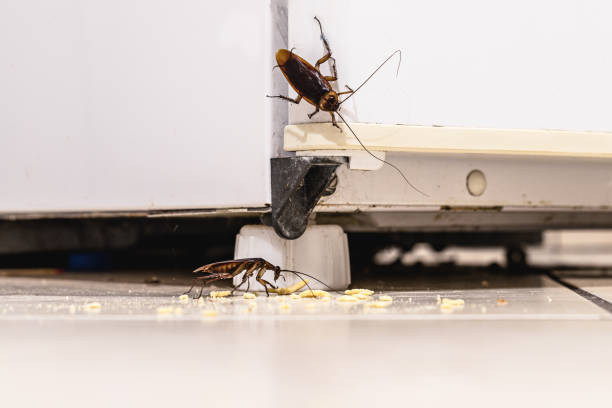
Cockroaches are some of the most common and resilient pests found in households. Their ability to adapt and thrive in various environments makes them particularly challenging to manage. However, with a combination of proper identification, preventative measures, and effective treatment strategies, you can control and eliminate cockroach infestations in your home.
Identifying Cockroach Infestations
- Sightings: Spotting live or dead cockroaches, especially at night.
- Droppings: Small black or brown droppings resembling coffee grounds.
- Egg Cases (Oothecae): Cylindrical egg cases often found near hidden or humid areas.
- Unpleasant Odors: A musty or oily smell caused by pheromones released by cockroaches.
- Shed Skins: Discarded exoskeletons from their molting process.
Preventing Cockroach Infestations
- Keep countertops, floors, and sinks free of food crumbs and spills.
- Store food in sealed containers.
- Empty trash bins regularly.
- Repair cracks in walls, floors, and foundations.
- Install door sweeps on exterior doors.
- Use caulk to seal gaps around pipes and vents.
- Fix leaky faucets or pipes promptly.
- Use dehumidifiers in damp areas like basements.
- Remove piles of newspapers, cardboard boxes, and unused items that could provide hiding spots.
Treatment Options for Cockroach Infestations
- Sprinkle diatomaceous earth along baseboards and behind appliances; it dehydrates cockroaches upon contact.
- Use a mixture of baking soda and sugar as bait to kill cockroaches when ingested.
- Chemical Treatments: | Product Type | Usage | Notes | |———————-|——————————————–|———————————————-| | Gel Baits | Apply behind cabinets and under sinks | Effective but requires time for results | | Residual Sprays | Spray along cracks, crevices, and baseboards| Provides ongoing protection | | Insect Growth Regulators (IGRs) | Disrupts reproduction cycles | Best combined with other treatments |
- Professional Pest Control Services: For severe infestations, hiring licensed pest control professionals ensures long-term eradication through advanced tools and techniques tailored to your specific situation.
Tips for Long-Term Management
- Continue routine cleaning practices.
- Monitor vulnerable areas regularly for early signs of activity.
- Maintain outdoor landscaping by trimming vegetation away from your home’s foundation.
By identifying the problem early, taking preventive action seriously, using appropriate treatments effectively, and maintaining vigilant habits over time, you can protect your living space from cockroach infestations while ensuring a healthier environment for your family.
Effective Solutions from an Exterminator Orlando FL for Rodent Infestations
Rodent infestations can cause significant problems for homeowners, ranging from health risks to structural damage. Understanding the dangers associated with rodents and addressing infestations promptly are critical steps in maintaining a safe and healthy living environment.
Health Risks Posed by Rodents
- Hantavirus: Spread through rodent urine, droppings, or saliva, hantavirus can cause severe respiratory issues.
- Leptospirosis: Transmitted through contact with water or surfaces contaminated by rodent urine.
- Salmonella: Rodents can contaminate food or food preparation areas, leading to foodborne illness.
- Lymphocytic Choriomeningitis Virus (LCMV): Commonly spread by mice, this virus can lead to neurological symptoms in severe cases.
Beyond disease transmission, rodent bites or scratches may result in infections if not treated properly.
Property Damage Caused by Rodents
- Electrical wiring damage: Rodents often chew through wires, increasing the risk of electrical fires.
- Structural damage: Mice and rats burrow into walls and insulation materials, reducing the home’s energy efficiency.
- Food contamination: Rodents invade pantries and storage areas, contaminating stored foods with droppings or urine.
The economic costs of repairing rodent-related damage can be substantial if infestations are not addressed quickly.
How to Identify a Rodent Infestation
| Signs of Infestation | Description |
| Droppings | Small, dark pellets found near food sources or in hidden corners. |
| Gnaw marks | Evidence of chewing on wood, wires, or plastic materials. |
| Nests | Shredded paper, fabric, or insulation used for nesting materials. |
| Scurrying sounds | Noises coming from walls or ceilings during nighttime hours. |
| Tracks | Dusty areas may show small footprints or tail marks left behind by rodents. |
Prevention Strategies
- Seal entry points: Use steel wool or caulk to block cracks and holes around windows, doors, pipes, and vents.
- Maintain cleanliness: Keep countertops clean and store food in airtight containers.
- Eliminate clutter: Remove piles of paper or debris where rodents may nest.
- Trim vegetation: Keep bushes and tree branches away from your home’s exterior to hinder access points.
- Regular inspections: Periodically inspect basements, attics, and crawl spaces for signs of activity.
Effective Treatment Options
- Snap traps: Effective for quick captures; ensure proper placement near rodent pathways.
- Live traps: Ideal for humane removal but require relocation far from your property.
- Use bait stations containing anticoagulant rodenticides placed strategically where rodents travel.
- Licensed specialists can assess the severity of an infestation and implement customized treatment plans safely.
Addressing rodent infestations requires vigilance in prevention combined with timely action when signs emerge. By taking these steps seriously, you can mitigate risks associated with rodents while protecting your home’s integrity and your family’s well-being.
Effective Pest Control Service Orlando FL: Protect Your Home from Bedbug Infestations
Bedbugs are a persistent and frustrating pest that can invade your home, causing discomfort and inconvenience. Understanding how to prevent, identify, and manage bedbug infestations is key to maintaining a healthy, pest-free living environment. This guide offers detailed steps to help you safeguard your living space effectively.
Identifying Bed Bugs
- Appearance: Adult bedbugs are small (4-5 mm), oval-shaped, reddish-brown insects that flatten when unfed but swell after feeding on blood.
- Behavior: Bedbugs are nocturnal pests that feed on humans and animals during the night and hide in cracks or crevices during the day.
- Rust-colored stains on bedding or mattresses (from crushed bedbugs).
- Small dark spots of fecal matter on sheets, walls, or furniture joints.
- Shedded exoskeletons near hiding spots such as mattress seams or headboards.
- Tiny white eggs (approximately 1 mm) in clusters in hidden areas.
Preventing Bedbug Infestations
- Avoid purchasing used mattresses or upholstered furniture without thoroughly inspecting them for signs of infestation, including eggs and live insects.
- Use caulk or sealant to fill cracks along baseboards, walls, and furniture where bedbugs may hide.
- Inspect hotel beds and luggage racks for signs of bedbugs.
- Keep suitcases elevated off the floor on hard surfaces.
- Wash clothing immediately upon returning from trips.
- Minimize clutter around your living space to reduce potential hiding spots for these pests.
- Encase mattresses and box springs with zippered, bedbug-proof covers designed to block infestations.
Treating a Bedbug Infestation
- Wash all bedding, linens, curtains, and clothing in hot water.
- Use a dryer on high heat (above 120°F) for at least 30 minutes to kill bugs at all stages of life.
- Focus on mattresses, box springs, carpets, furniture crevices, and other common hiding spots.
- Empty vacuum bags or clean vacuum filters immediately after use to prevent reinfestation.
- Use steam cleaners on furniture seams or hard-to-reach areas as extreme heat kills both adult bugs and eggs effectively.
- Use EPA-approved products labeled specifically for bedbugs.
- Focus treatments along baseboards, cracks in walls, mattress edges/seams where they tend to hide.
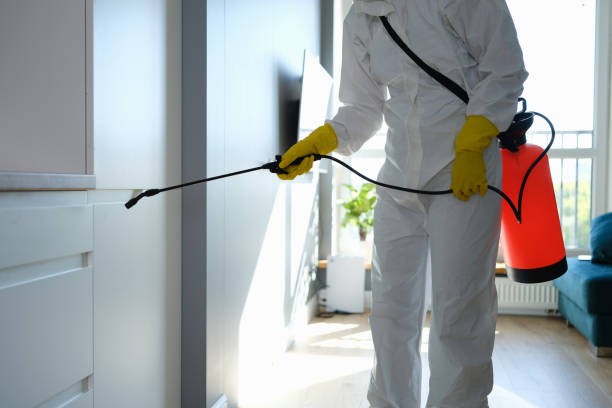
- Consider Professional Pest Control Services: When DIY methods prove insufficient for severe infestations: Professionals employ advanced techniques such as heat treatments or industrial-grade pesticides tailored specifically against these pests safely/effectively.
| Treatment Method | Effectiveness | Notes |
| Heat Treatment | High | Kills all life stages but requires specialized equipment |
| Chemical Pesticides | Moderate | Requires careful application; follow safety guidelines |
| Vacuuming | Medium | Good for reducing numbers but not a standalone solution |
| Steam Cleaning | High | Effective localized treatment; must repeat regularly |
Maintaining Long-Term Protection
After eliminating an infestation successfully protect homes longer-term implementing consistent habits like inspecting/replacing old furnishings early detection measures traveling etc . Prevention remains best approach limit exposure .
How to Safeguard Your Living Space from Bedbug Infestations
Bedbug infestations can be a persistent and frustrating problem for homeowners. These tiny pests are skilled at hiding, reproducing rapidly, and feeding on human blood during the night. To protect your home effectively, it is critical to understand how to prevent them, identify their presence, and eliminate them using proven strategies.
Recognizing the Signs of Bedbug Infestations
- Bites on the Skin: Small red welts or clusters of itchy bites often appear on exposed skin such as arms, neck, or legs.
- Blood Stains: Tiny reddish stains may appear on bedding or mattresses due to crushed bedbugs.
- Fecal Spots: Small dark spots (excrement) may be visible along mattress seams, furniture joints, or walls.
- Shed Exoskeletons: Bedbugs shed their skin as they grow. Look for these translucent shells in small crevices.
- Live Insects: Although bedbugs are nocturnal and tend to stay hidden during the day, spotting live insects around bedding or furniture is a clear sign of infestation.
Prevention Tips for Protecting Against Bedbugs
- Examine mattresses, box springs, and furniture seams periodically for signs of bedbugs.
- Pay extra attention after traveling or staying in hotels.
- Close gaps and crevices around walls, baseboards, and furniture where bedbugs might hide.
- Install mattress encasements to prevent access.
- Inspect second-hand items thoroughly before introducing them into your home.
- If unsure about possible infestations on used items, avoid purchasing them altogether.
- Launder sheets, pillowcases, blankets, and clothing frequently using hot water (at least 120°F).
- Dry items on high heat to kill any existing bugs or eggs.
- Keep spaces tidy since clutter provides hiding spots for bedbugs.
Effective Treatment Strategies
- Vacuum rugs, carpets, mattress seams, upholstered furniture surfaces daily during active treatment periods.
- Dispose of vacuum bags carefully by sealing them in plastic before discarding outside.
- Use professional-grade heat treatments that raise room temperatures above 118°F to eradicate all life stages (adults/larvae/eggs).
- Apply EPA-approved insecticides specifically labeled for use against bedbugs (e.g., sprays containing pyrethrins).
- Follow product instructions closely for safe application indoors.
- For larger infestations that cannot be handled independently within reason—seek licensed pest management specialists experienced specifically handling such problems effectively, ensuring solutions extend long term reliability/revisits as needed prioritizing health safety prevention recurrence tailored treatments focus homes unique needs situations
| Treatment Method | Pros | Cons |
| Vacuuming | Cost-effective; easy for anyone | May not eliminate eggs |
| Heat Treatment | Highly effective; chemical-free | Expensive; requires expertise |
| Chemical Sprays | Affordable; kills quickly | Potential risks if misused |
| Professional Services | Comprehensive solution | Costly upfront investment |
Maintaining Long-Term Protection
After successfully managing an infestation problem residents should remain vigilant consistently continuing undertake necessary precautions mitigate risk future occurrences remembering regular cleanings inspections anchoring layered defenses safeguarding peace mind healthier environments.
- Orlando Pest Control: Comprehensive Extermination and Treatment Services Explained
- Effective Solutions for Common Pests from a Trusted Pest Control Company Orlando FL
- Effective Orlando Pest Control: A Practical Guide to Identifying and Eliminating Common Household Pests
- 5 Expert Pest Fumigation Services Offered by Professional Pest Control Companies
- Effective Orlando Pest Control: How to Identify, Prevent, and Treat Common Pests
- Effective Orlando Pest Control Solutions and Termite Protection for Your Home
- Effective Orlando Pest Control: 10 Common Household Pests and How to Keep Them Out
- Effective Strategies from a Pest Control Company in Orlando FL to Tackle 10 Common Household Pests
- Top Pest Control Company Orlando FL Shares Tips to Identify and Manage the 10 Most Common Household Pests